
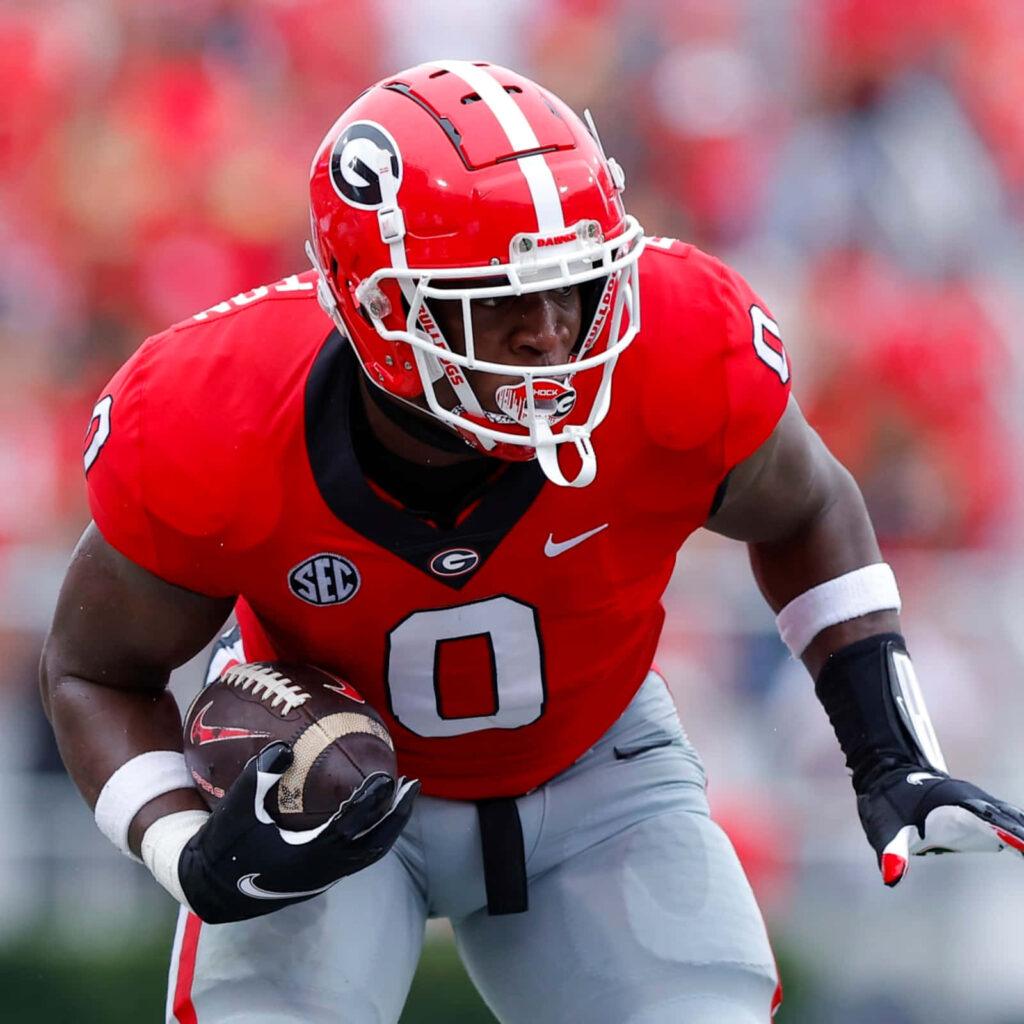
A football player from the University of Georgia makes a dynamic play while advancing the ball down the field.
The Shift in NIL Enforcement
The landscape of Name, Image, and Likeness (NIL) regulations continues to evolve rapidly in 2025, bringing new challenges and potential financial pitfalls for student athletes. As universities take greater control over NIL payments and enforcement becomes more stringent, understanding the types of fines and penalties associated with NIL violations has never been more critical for your athletic career.
A significant change occurred on July 1, 2025, when many schools began assuming NIL payment responsibilities from collectives. This transition has fundamentally altered how NIL contracts are structured and enforced, creating new financial risks for student athletes who may not fully understand their contractual obligations.
Liquidated Damages: The $390,000 Warning
Perhaps the most striking example of NIL-related financial penalties in 2025 involves Georgia defensive end Damon Wilson II. After signing a 14-month NIL contract with the Classic City Collective in December 2024 and receiving a $30,000 initial payment, Wilson entered the transfer portal less than two weeks later to join Missouri. The result? Georgia is now seeking $390,000 in liquidated damages through arbitration.
This groundbreaking case highlights a critical development in NIL contracts: the inclusion of liquidated damages clauses. These clauses require athletes to pay a predetermined sum if they breach their contract, typically by transferring to another school before the contract term ends. For Wilson, this clause meant owing the remaining value of his contract despite only receiving the initial payment.
Understanding Contract Penalties
Liquidated damages clauses have become increasingly common in NIL contracts as schools and collectives seek to protect their investments. These clauses are designed to deter transfers and ensure athletes fulfill their contractual obligations. However, legal experts debate whether these clauses are enforceable or constitute improper restrictions on athlete mobility.
What makes these penalties particularly concerning for student athletes is their potential size. In Wilson’s case, the $390,000 demand represents more than 13 times his initial payment. This disparity underscores the importance of thoroughly understanding every aspect of an NIL contract before signing.
Types of NIL-Related Financial Penalties
While institutional fines from the NCAA for NIL violations remain relatively rare in 2025, several types of financial penalties can impact student athletes directly:
Contract Breach Penalties: As demonstrated in the Wilson case, breaking an NIL contract early can result in substantial financial liability through liquidated damages clauses.
Clawback Provisions: Some contracts include provisions allowing companies or collectives to reclaim payments if athletes fail to meet specific performance or behavior standards.
Lost Future Earnings: Violating NIL agreements can damage an athlete’s reputation, potentially affecting future endorsement opportunities and earning potential.
Legal Costs: Athletes involved in contract disputes may face significant legal expenses, even if they ultimately prevail in court or arbitration.
Protecting Yourself from NIL Penalties
As a student athlete navigating the NIL landscape, taking proactive steps to protect yourself from potential fines and penalties is essential:
Read Every Contract Carefully: Never sign an NIL agreement without thoroughly understanding all terms, especially those related to duration, transfer restrictions, and potential penalties.
Seek Legal Counsel: Consider having an attorney review any significant NIL contract before signing. The cost of legal review is minimal compared to potential penalties.
Understand Your Obligations: Be clear about what you must do to fulfill your contract, including appearance requirements, social media posts, and exclusivity clauses.
Consider Contract Length: Shorter-term contracts may offer more flexibility, especially if you’re uncertain about your long-term plans.
Negotiate Penalty Clauses: Remember that contracts are negotiable. Work with your representatives to modify or remove excessive penalty provisions.
The Future of NIL Enforcement
The Wilson case represents a potential watershed moment for NIL enforcement. If Georgia’s arbitration succeeds, it could establish precedent making liquidated damages clauses more enforceable across college athletics. This development would significantly increase the financial risks associated with breaking NIL contracts.
Several attorneys who have reviewed athlete NIL contracts believe schools and collectives may be using these clauses in bad faith to restrict player movement. This ongoing debate could lead to new regulations or legal challenges that reshape how NIL contracts are structured.
Key Takeaways for Student Athletes
The evolving NIL landscape in 2025 presents both opportunities and risks. While NIL deals can provide valuable income during your college career, they also come with serious financial obligations. The potential for six-figure penalties, as seen in the Wilson case, makes it crucial to approach every NIL opportunity with careful consideration and professional guidance.
Remember that your athletic career is a marathon, not a sprint. Making hasty decisions about NIL contracts without understanding the long-term implications can have devastating financial consequences. Take time to educate yourself about contract terms, seek appropriate legal counsel, and always consider how current decisions might impact your future opportunities.
As NIL regulations continue to evolve, staying informed about changes in enforcement and penalty structures will be critical to protecting your financial interests while maximizing your earning potential as a student athlete. The landscape may be complex, but with proper preparation and guidance, you can navigate it successfully and avoid the costly penalties that have already impacted some of your peers.
